
What if I told you that the way we’ve been studying history in recent years is all wrong? That we’ve been seeing it through a foggy glass, reducing our understanding to mere silhouettes rather than the vibrant, detailed tapestry it truly is? Just as studying a lone note fails to capture the harmony of a symphony, or observing a single stone doesn’t reveal the majesty of a mountain range, assessing historical figures through the critical lens of our contemporary moral and ethical yardstick – an approach termed “presentism” – limits our ability to fully grasp their true essence and their monumental impacts on history.
Let’s step back and re-examine our perspective. History is a vast, sprawling canvas, full of larger-than-life men who have shaped the world we live in today. To reduce these men to mere data points, defined solely by their adherence or non-adherence to modern ethical standards, is akin to painting over a masterpiece with a single shade of grey.
Why does this matter? Two reasons. First, presentism distorts our image of the past, blurring the complexity and richness of these men and the eras they lived in. This prevents us from understanding their true motivations, their challenges, and the reasons behind their actions. Second, this approach denies us the opportunity to learn from these men, to recognize their strengths and their weaknesses, to appreciate their humanity, and to draw inspiration from their contributions to society.
When we slap labels like “racist” or “sexist” on men like George Washington or James Madison, we’re overlaying our contemporary understanding of these terms onto a vastly different historical landscape. It’s essential to remember that these men were products of their times, living in societies where practices like slavery or prejudice were the norm, not the exception. By pigeonholing these men into such categories, we’re stripping away the nuances of their personalities and contributions, thus, denying ourselves the opportunity to fully appreciate their role in shaping history.
But what if we could shift our perspective? What if we could zoom out and appreciate the full panorama of history? That’s precisely the aim of a new series, “Men of Emulation”. Rather than casting anachronistic moral judgments, we’re going to critically re-examine the lives of these men with empathy and understanding, considering the contextual realities of their times.
Imagine a young man today, searching for role models from history, for men who exhibited leadership, resilience, and innovation, only to find these giants dismissed because they don’t align with our current moral standards. Our new series aims to redress this imbalance, to provide a richer, more nuanced source of inspiration by revealing the full depth and complexity of these men, in spite of, and often because of, their flaws.
So, join us on this journey as we peel back the layers of history, shedding the shackles of presentism and seeking to understand our forefathers as they truly were. Through this series, we hope to uncover the timeless virtues that these great men of emulation embodied and provide a richer, more nuanced source of inspiration for the young men of today. By doing so, we can not only gain a better understanding of our past but also find guidance for our future.
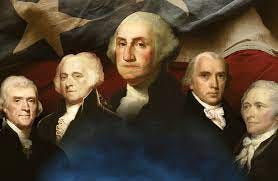
In our modern society, there is a growing tendency to scrutinize and judge historical figures through the lens of our contemporary moral and ethical standards. This phenomenon, often referred to as “presentism,” warps our understanding of history and deprives us of the opportunity to glean meaningful lessons from the great men who shaped the world we live in today. In response to this increasingly prevalent trend, we are launching a new series, “Men of Emulation,” which seeks to critically re-examine the lives and deeds of prominent historical figures, not through the prism of anachronistic moral judgment, but with pride, and awe at the accomplishments of those who came before.
Evaluating the past with the lens of today’s standards creates a substantial roadblock in our journey to fully appreciate and comprehend history. Primarily, it distorts our perception of historic events and men, painting a picture that fails to reflect the intricate socio-cultural fabrics of their eras. By failing to properly place these iconic men within their respective historical contexts, we tend to misinterpret their actions and motivations.
Furthermore, when we judge the deeds of history’s great men solely on the basis of contemporary morals, we risk oversimplifying these complex figures, effectively reducing them to mere caricatures. Such an approach not only fails to truly honor their lives and legacies, but it also deprives today’s men of the chance to learn from the richly human experiences of these figures — their triumphs, their failures, their layers of personality, and their indelible imprints on history.
Let’s delve into the specifics of this issue. When we label renowned historical figures like George Washington or James Madison as “racists” or “slave owners,” we are, in effect, imposing our contemporary understanding and connotations of these terms onto a past that operated under very different socio-cultural norms. Within the historical context in which these figures lived, practices such as slavery and prejudice were not exceptions to the rule but were fully accepted as the norm. By reducing these individuals to mere agents of bigotry and intolerance, we obscure the multifaceted truth of their lives and contributions. Such an overly simplistic and anachronistic characterization of our forebears does a disservice to our understanding of history and prevents us from fully appreciating the complexities of their personalities and accomplishments.
The contemporary practice of “canceling” significant historical figures for not adhering to modern ethical standards is not only anachronistic, but it’s also counterproductive to our understanding and appreciation of history. Take, for instance, Thomas Jefferson, the author of the Declaration of Independence, but is now labeled simply and dismissively as a slave owner. Or consider Andrew Jackson, a decorated war hero and the seventh president of the United States, yet demonized for his implementation of the Indian Removal Act. By fixating on these individuals’ flaws and judging them according to today’s moral standards, we risk losing sight of their substantial contributions to American history and society.
Indeed, we should not turn a blind eye to the missteps of the past. A substantial component of understanding history lies in acknowledging and grappling with its darker facets. As the Bible teaches us, we live in a fallen world, and we are all flawed. It is this inherent human fallibility that also characterized the historical men we are discussing. They, like us, were shaped by their time, with accomplishments and failures that can provide profound lessons—if we’re wise enough to understand them within the context of their times. Therefore, we cannot hope to fully grasp and derive wisdom from history if we dismiss its key actors solely due to their imperfections.
Instead of focusing on their shortcomings, it would be more beneficial to highlight the noteworthy accomplishments of these men. Their great deeds and the tangible impacts they left on the world hold substantial value for us. After all, their ability to shape history was not hindered by their personal flaws, and we should aim to learn from their successes just as much as their failures.
This brings us to a significant issue – the lack of esteemed role models for today’s men. Imagine a young man looking to history for exemplars of leadership, determination, and moral courage. Instead of finding these figures, he encounters influential men constantly undervalued and discredited for failing to perfectly align with modern-day values. This restricted perspective denies him the opportunity to learn from the multifaceted stories of these men, who, despite their imperfections, demonstrated bravery, resilience, and innovative thinking, leaving a lasting impact on the annals of humanity.
As we traverse through today’s climate, some voices call for the elimination of notable yet imperfect men from public consciousness in a bid to combat what they perceive as “toxic masculinity,” opposing the remembrance or instruction of their philosophies. However, such a stance seems more likely to cultivate uninformed views rather than foster moral discernment. A thorough comprehension of history necessitates our recognition and learning from its principal players, their triumphs and mistakes alike, as they provide priceless lessons for the present and the future.
Our upcoming series, “Men of Emulation,” is a response to this rising trend. The goal is to reassess these influential men not with an air of condemnation, but with a well-rounded view that takes into account the historical milieu of their existence. We will not sidestep their inadequacies, but we aim to shine a brighter light on their feats, their virtues, and the lasting impact they had on society.
Men today, no less than those of previous generations, need sources of inspiration and role models to look up to. The figures we feature in this series, despite their human flaws, exhibited characteristics of leadership, courage, and perseverance, demonstrating that purposeful and impactful lives can be led even amid imperfections.
By revisiting these often heroic stories and distilling the timeless virtues they embody, we hope to provide today’s men with a richer, more nuanced source of inspiration. Through this understanding, we believe they can find guidance to navigate their own lives in a purposeful and meaningful way, much like the men of emulation who came before them.
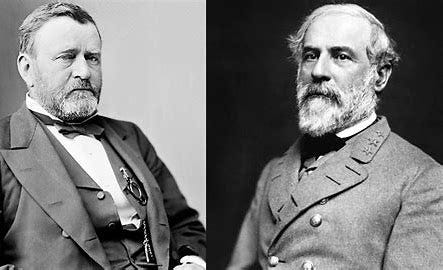
As we conclude this preview of our upcoming series, “Men of Emulation”, we invite you to step into an epic narrative that weaves together the threads of America’s past. This series, launching next week, aims to illuminate the lives, legacies, and lessons of some of the most influential men in American history. Our goal is not just to narrate their stories, but to inspire young men of today by presenting them with role models that embody values of leadership, courage, and perseverance.
The series will commence with an exploration into the lives of the Founding Fathers such as George Washington, Thomas Jefferson, and James Madison. We want to highlight not only their remarkable contributions to the formation of the United States but also underline the traits that set them apart – vision, integrity, and an unwavering commitment to their ideals.
We will delve into the complexities of the Civil War era, featuring giants like Robert E. Lee, Stonewall Jackson, and Ulysses S. Grant. By unravelling their military strategy, their personal character, and their impact on this crucial juncture in American history, we hope to present young men with examples of resilience, determination, and strategic thinking in the face of great challenges.
We’ll turn the pages to presidents such as Abraham Lincoln, Theodore Roosevelt, and Calvin Coolidge whose transformative leadership styles offer invaluable lessons in standing firm for one’s principles, intellectual curiosity, and the strength of character.
But our journey does not end in the Oval Office. We’ll also shine a spotlight on pivotal judicial figures like Justice Joseph Story and Justice John Marshall, whose interpretations of the Constitution continue to shape our nation, demonstrating the lasting influence one can wield through intellect and principle.
Each week, we’ll strive to bring you closer to these towering figures, not just as distant historical personalities, but as men whose virtues continue to have relevance in our present world. These are not just stories from the past, but lessons for the future, providing our young men with a compass for their own lives.
So, stay tuned for our first edition next week as we start this inspiring journey. Let’s explore the past together, and in doing so, inspire the young men of today to become the leaders of tomorrow.
Thank you for reading The WC Dispatch. This is a reader supported publication, please consider sharing, and subscribing.
 Walt's Blog
Leave a comment